Ganesh Himal Homestay Trek

10 Days

Ganesh Himal homestay trek is also known as the Ruby Valley trek, located in the northern part of Nepal, close to Tibet.

Overview

About the trek:
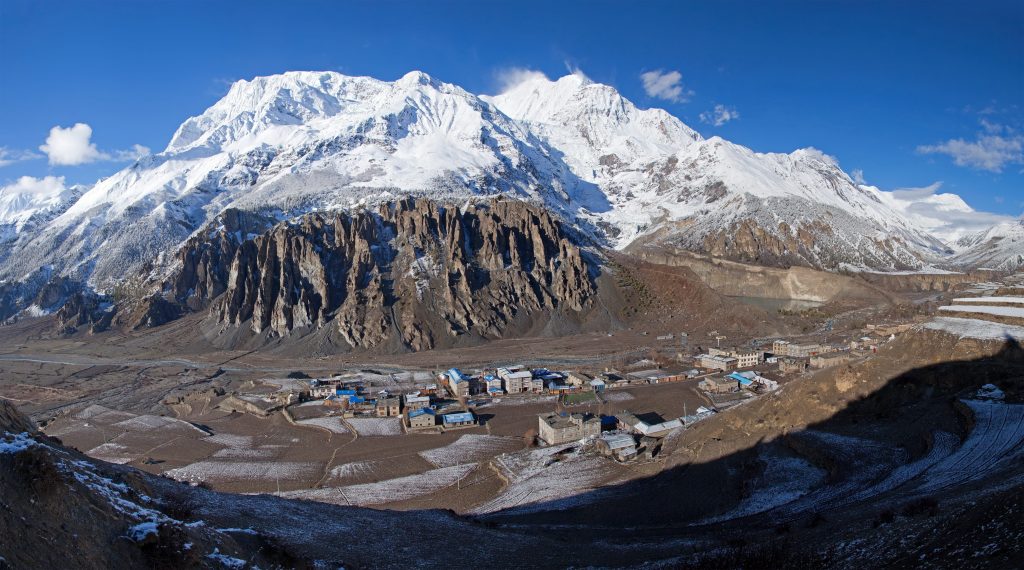
Ganesh Himal homestay trek is also known as the Ruby Valley trek, located in the northern part of Nepal, close to Tibet. 7–12 days: Ruby Valley Trek takes you to explore the unique Gurung and Tamang cultures and traditions as well as the magnificent landscape. While you trek, you will be able to explore the views of the grand mountains of the Ganesh Himal range, the Langtang range, and Manaslu.

Eventually, the short Ruby Valley trek will offer a captivating Mountain View and an extraordinary local tradition. The trek leads through the beautiful villages of nature into the wild. As hike on up to the valley gets the ultimate Himalayan experience while walking through the traditional Tibetan monasteries, with their beautiful landscapes and many walls along the way. The people are very friendly, the environment is one of
amazing hospitality in the Ganesh Himal region.The short and suitable Ganesh Himal trek can be done throughout the year. Let everyone join Alpine Ramble Treks on one of the best trips of a lifetime. It ensures to be safety and security while trekking with our expert team in the Nepal Himalayas. We make sure that while trekking with us, people will be fully satisfied with our expert trekking guides who care about the safety and
security measures during the trek in the Himalayas of Nepal. Alpine Ramble Treks will customize people’s trip itinerary according to their time and budget.

Personal travel:
Insurance is mandatory for all customers undertaking any activity. It will be provided enough protection tours to cover personal injury, death, medical expenses, repatriation expenses, helicopter rescue, and any kind of illness that will be provided in the insurance package. Alpine Ramble strongly advocates buying an insurance package through a reliable insurance company in the city or country.

Health and Fitness Requirements:
The Kopra Ridge Trek is an average trek at the end of the line for any trekker who enjoys and explores the beauty of nature and the planet’s landscape. Trekking basically starts from low land to high land. The hikers hiking in these areas have to fit themselves. mainly focus on physical fitness to complete the journey. The everyday trek prefers 4–5 hours of daylight. As hikers ascend to high altitudes, they must prepare themselves physically and mentally to complete the journey. As you, supply is to make the journey reliable and memorable, with no problems at any stage, to ensure wealth and health. The first right of way is safety, for the entire trip. Consider taking some pre-training courses for the trek, which could greatly help you, considering some physical exercise like jogging, running, climbing stairs, cycling, swimming, hitting the gym, etc.

Accommodation during the Trek Accommodation in Kathmandu:
People will be staying in the best hotel, basically 3 stars, on a twin-sharing basis.The local management community in an area has established a fixed menu and hotel system for each trekking route.

Passport and Visa:
Every customer must have a veiled passport from the return date with a 6-month previous validity in the Nepalese consulate in the country or immigration office at Tribhuvan airport in Kathmandu.

 The best time for the trek:
The weather is one of the most important things to look at when determining to trek to the Ganesh Himal. It is perfectly suited for trekking during the spring, summer, and autumn. Strong winds, storms, and slippery trails make trekking difficult during the
winter and monsoons. The Ganesh Himal Trek is best done between March and April. The weather is very favorable throughout the trek. A remarkable perspective of the central Himalayan range. Temperatures may start increasing from the middle of March, and with clear skies, snow mountains will be seen at their best. Many trekkers often succeed in their expeditions at this time. During the journey, the rhododendron flowers will be blooming at their best in different colors.

At Trek Nepal Trips, we are committed to making your trek the best experience you will ever have. If you are interested in joining the Ganesh Himal Homestay Trek, contact us and we will take care of everything for you. Please note that these trips are completely
customizable according to your preference. The itinerary is only for reference.
Itinerary

After early morning breakfast, you will board a bus that leaves the Kathmandu Valley and heads north. While traveling on the bus, you will get beautiful views of the tall mountains, terraced fields, and towns. The drive until Trishuli Bazaar is peaceful but then onwards and until Balche, the road turns rough.

From Balche, we take you through a trail that passes through terraced fields and dense jungles to the wilderness. It will be a challenging day as you move up through a wonderful region and arrive at Thulo Kharka, where we will stop for lunch. After lunch, we will proceed to Rupchet, an open area with several safe houses for seasonal herders and animals. From Rupchet, you will get stunning views of the Himalayan ranges.

You will trek along with the high country route from Rupchet past late spring pastures meant for ox, sheep, and bovines. Further on the path lies Singla Pass, the highest point of this trek, from where you get stunning views of the Annapurnas, Manaslu, and Ganesh Himal. You will then descend through thick timberland full of pine, rhododendron (Nepal's national flower), and oak trees. Then comes the magnificent waterfall, which signals the villages of Chalis Gaon and Shertung is nearby.

Chalish Gaon is a tranquil town in an unspoiled setting, just 100m above Sertung village. Both of these settlements are perfect spots to unwind and relax while appreciating the lifestyle of the locals and the exquisite views of the surrounding mountains.

Shertung and Chalish Gaon are home to a few ethnicities- the Gurungs, Tamangs, and Dalits. You will also have the option to visit the hot spring nearby and soothe your tired muscles in the natural hot spring. In addition, you can interact with friendly and welcoming locals.

You will trek to the floor of the Ruby Valley beneath Chalish and across a stream. The course winds up on stone pavement constructed by the Kadoorie Agri Aid Association and British Gurkhas of Nepal. Both of these associations are engaged in developing this area, building essential infrastructures such as water taps, bridges, and enhanced trails. The trail then passes through the alluring village of Tir and leads to the towns of Rachyat Gaon and adjacent Kapur.

Today you will pass through an extraordinary rural territory, walking past Laphchyat, a charming Gurung village with nearly 30 families. You will then cross the Lapa Khola on a box bridge, ascend along a trail passing through agricultural lands and reach the walled compound of a newly established hospital in the Lapa Gaon. Lapa Gaon has over 400 homes. Above Laphagaon is Khading, one of the largest Gurung settlements in the region. The homeowners are welcoming and ever-ready to perform cultural dances with traditional music.

After enjoying breakfast, you will leave Lapa Gaon and descend to Chyamchat. The trail continues through local villages, paddy terraces, and dense forests, and you will finally arrive at Kutawal for a lunch break. After lunch, you will continue the trek to reach Tawal, and then to Ri Gaon - a large settlement of mostly Tamang and Dalit inhabitants.

Today will be a moderate trekking day. For the most part, the course goes through Bhramin and Dalit towns and the fertile lands with bounteous terraced fields and a large open valley, and then to Phulkharka Gaon, a substantial Brahmin settlement.

The trail proceeds to the Ankhu Khola river, passing numerous towns en route. You will now be trekking in comparatively lower hotter regions. We will stop for a meal break near Rine and proceed to Jyamrung Durbar/Danda. It is a historically significant area because there was a palace of a regional King here. This area looks stunning, mainly during dawn and dusk, enhanced by the sights of Langtang, Ganesh, and Manaslu ranges in the background.

It will be the last day on the trekking trails. Early morning, you will have breakfast while appreciating the sunrise and then trek to Dhading via Dodke Danda, which will take around two and a half hours. It will be a wonderful trek through the wilderness, several terraced fields, and charming towns.

From Dhading Besi, we will drive you back to Kathmandu. The drive provides views of rural Nepal, and as the bus makes one final climb, you reach Kathmandu

Includes

  • Airport pick-up and drop-off in a private vehicle.
  • hotel accommodation in Kathmandu on a B/B basis.
  • Tea house accommodation during the trek.
  • Hot soup in the high places.
  • The journey included three meals.
  • Farewell dinner in Kathmandu
  • All the transportation is as per the itinerary.
  • A professional guide for the trek and sightseeing. Porter service (2 hikers and 1 porter)
  • Insurance for guides and porters
  • Food and accommodation for the guide and porters.
  • all the necessary documents (permits and TIMS).
  • all government and local taxes.
  • Medical kit
  • trekking map as an itinerary and a T-shirt from the company.

Excludes

  • visa for Nepal.
  • International flights to and from Kathmandu.
  • Lunch and dinner in Kathmandu
  • Travel and rescue insurance for clients.
  • Personal expenses include a shower and battery charge during the trek, bar bills,
  • and laundry.
  • Extra night accommodation in Kathmandu, except for the itinerary.
  • Tips for guides and porters

For head:
-Scarf or sun hat
-Light balaclava or warm wool headgear.
-Sunglasses and snow goggles with UV assurance
-Sun cream
-Sunglasses
-Lip balm

Lower-body exercises:
-Under Garments
-Hiking shorts
-Cotton long jeans that are lightweight.
-Warm bottoms, light and challenging weight
-Fleece or fleece pants (regular).
-Waterproof (ideally breathable) shell pants

For feet:
-Thin, lightweight inward socks
-Thick, warm fleece climbing socks
-Hiking boots with saving bands.
-Camp shoes or shoes.
-Gaiters for climbing in winter to the base camp if there is snow over yonder.

 For the upper body:
– T-shirts half-empty and full
-Warm tops in light and campaign weights
-Fleece coat
-Fleece Wind-Stopper coat (discretionary)
-Shell coat that is waterproof (but ideally breathable).
-Down coat or vest

For Hand:
-Lightweight gloves
-Heavyweight gloves or gloves with a waterproof shell external (occasional)

-Sleeping sacks
-headlamp with batteries.
-Trekking bags or duffel sacks
-You should have a basic first-aid kit.
-Large plastic sacks—for keeping things dry inside your pack or duffel sack.
-Daypack (roughly 25 to 30 liters)
-Trekking Poles (Optional)
-(2) water bottles or an appearance sack
-Toiletries (such as a small washcloth and toilet paper)

 Toiletries
-a medium-sized, quick-drying towel
-Tooth Brush/Tooth Paste
-Multipurpose cleansers (ideally biodegradable)
-Nail scissors
-Face and body lotion
-Feminine cleanliness items
-small reflect
-Wet wipes (child wipes)
-Tissue or latrine roll
-Anti-bacterial hand wash

Other things that are optional:
-Binoculars
-Trekking surveys
-Reading books
-Trail Map/Guidebook
-Journal, pen, and pencil
-small scratchpad
-Travel games, for example, chess, backgammon, and cards
-Base Layer
-Trekking Shirts
-Trekking trousers and shorts
-Rain Gear and Hard-Shell Jacket
-A Sun Protection Hat
-raincoat or umbrella.

You can send your enquiry via the form below.

Ganesh Himal Homestay Trek