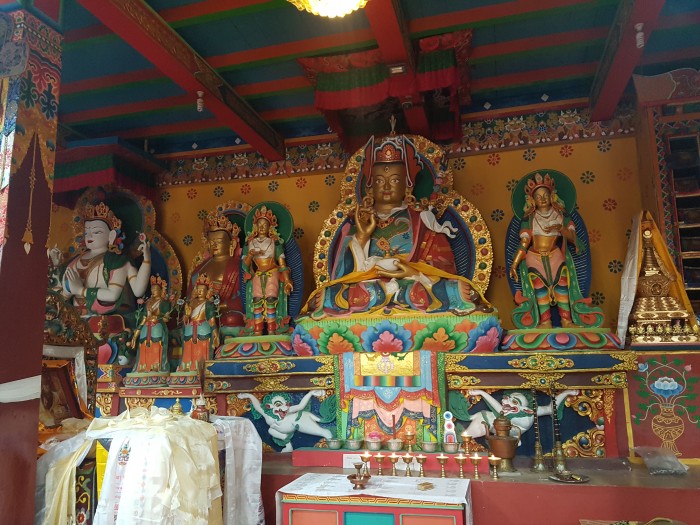
A trek in the central-eastern region of Nepal, one of the least explored areas of the Himalayas, is situated in between the most popular trekking destinations, Langtang to the east and Manaslu to the west.
Overview
About the trek:
A trek in the central-eastern region of Nepal, one of the least explored areas of the Himalayas, is situated in between the most popular trekking destinations, Langtang to the east and Manaslu to the west. A trek where they can explore the broad spectrum of cultures and natural sceneries in a concealed valley. Named after the elephant-headed Hindu god Ganesh, the district provides unspoiled natural beauty and various wildlife. Mount Manasalu, the Tibet range, Langtang, and Annapurna. Traveling through the Ganesh Himal area, you get an opportunity to capture the picturesque view of mountains, waterfalls, Saint George, dramatic landscape paintings, towering cliffs, and amazing rock formations. In our 10-day Ganesh Himal trek itinerary, we will traverse through alpine meadows, reaching a massive glacier beneath snowcapped mountains
from Balche to Dhading Besi.
The trek starts from Balche after a short drive from Kathmandu. Trek to Singla Pass the highest point of the trek from the Blache. Through series the Himalayas’ thick forest of bamboo, pine, and firtrees. All-encompassing outlook of Ganesh Himal massif
(7,893m), Manaslu (8,156m), Annapurna (8,091m), and Langtang from Singla pass(4,200m/13,779ft). After the Singla pass, the trail descends to the towns of Sertung and Chalisa.The upcoming day we spent sauntering in the remote hills and mountains and
unwinding at the hot spring on the lap of Ganesh Himal. Then we set off to Neber to see the finest landscape from the Ri Gaun of a town at the opposite end called Jharlang.
Following two days of trekking from Ri Gaun, reach to Jyamrung Danda, the endpoint of this trek. This place allows us to find the historical royal residence and see the sunrise before heading towards Dhading Besi on the bus, from where we return to Kathmandu. This place allows us to find the historical royal residence and see the sunrise before heading towards the Dhading Besi on the bus, from where we return to
Kathmandu. The Ganesh Himal trek is perfect for all ages; you can experience a remote lifestyle with homestay trekking and observe the spectacular scenery of the mountains and the mix of different ethnic groups nearby whose culture, traditions, and religious practices are exclusive to this region.
The best time for the trek:
The weather is one of the most important factors to look at when deciding to trek The Ganesh Himal Trek is perfect for a trek during the spring, summer, and autumn. During the winter and monsoons, it becomes difficult to trek due to strong winds, storms, and
slippery trails.
January-February
This schedule is the coldest, especially from early January to early February. The temperature can be freezing. Though the daytime may be warm and admirable with clear skies, the nighttime will be freezing. It would not be suggested to trek for a better time. This is the best time of the season to trek on the Ganesh Himal Trek. The weather is very favorable throughout the trek. Remarkable views of the central Himalayan range will be seen too. Temperatures may start to increase in March, and with clear skies, snow mountains will be seen at their best. Many trekkers often succeed in their expeditions at this time. On the way to the rhododendron, flowers will be blooming at their best with different colors.
May to June
This is also the best time for trekking, right previous to the rainfall. Nepal starts its rainfall from the end of June to mid-August. The changing seasons of spring and summer make the trek much more enjoyable.
August–July
The rainfall hits its peak during this time. Due to rainfall, it would not be advisable to trek during this season as the difficulty would increase. The trails would be very slippery. Having to trek along ridges and descend the trails would make it risky.
September–October is the best time of the season to trek the Ganesh Himal Trek. This season is the peak for tourists due to the favorable weather. A perfect trekking climate sets itself up. As the monsoon slowly ends, the temperature goes up and down to 20 degrees in the daytime and falls to 5 degrees during the nighttime. This weather is when trekkers enjoy and entertain trekking the most, with a clear sky and an amazing view of the mountains. It is highly recommended as it’s the best time for the Ganesh Himal trek, usually between mid-September and its end. Tourists in this season are also attracted by the main festivals of Nepal: Dashain and Tihar. This schedule is the coldest, especially from early January to early February.
At Trek Nepal Trips, we are committed to making your trek the best experience you will ever have. If you are interested in joining the Ganesh Himal Cultural Trek, contact us and we will take care of everything for you. Please note that these trips are completely
customizable according to your preference. The itinerary is only for reference.